


Key Takeaways
- Regular maintenance is essential for water quality and infrastructure longevity.
- Implementing preventive measures can reduce the risk of system failures.
- Community involvement and education enhance the effectiveness of maintenance programs.
Table of Contents
- Regular Inspections and Assessments
- Preventive Maintenance Strategies
- Addressing Aging Infrastructure
- Water Quality Monitoring
- Emergency Response Planning
- Community Engagement and Education
- Leveraging Technology
- Training and Certification for Personnel
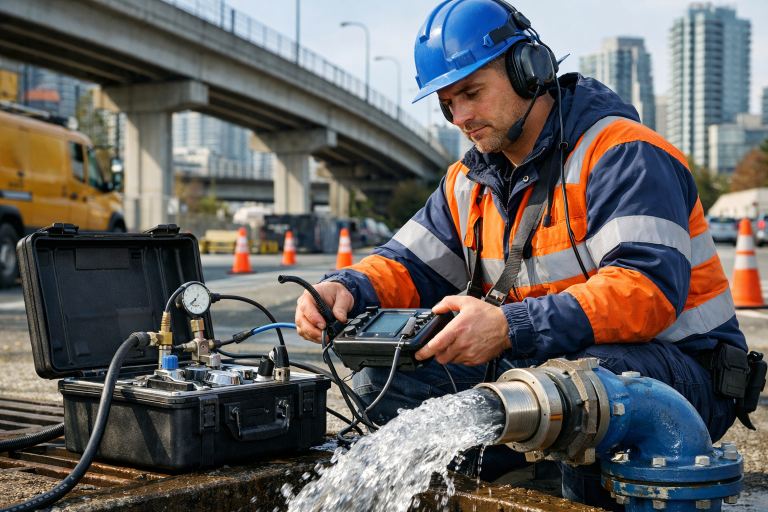
Maintaining a municipal water system is crucial for ensuring the delivery of safe and reliable drinking water to communities. Effective maintenance not only preserves water quality but also extends the lifespan of infrastructure and prevents costly repairs. Utilizing specialized equipment, such as a hydrostatic test pump, is essential in this process. Hurco Technologies, Inc., a leading manufacturer based in Harrisburg, SD, offers reliable hydrostatic test pumps designed for pressure testing new or repaired water mains and sewer force mains. Their products are engineered for long-term performance, reflecting the company’s commitment to quality and innovation in water system maintenance.
Regular Inspections and Assessments
Conducting routine inspections is fundamental to identifying potential issues before they escalate. This includes checking for leaks, assessing pipe integrity, and evaluating the performance of pumps and valves. For instance, the North Texas Municipal Water District (NTMWD) performs annual maintenance, including temporary changes in disinfectant methods, to ensure system reliability.
Municipalities typically implement both scheduled and unscheduled inspections as part of their ongoing maintenance programs. Scheduled inspections help to anticipate and resolve minor issues that could lead to major complications if left unaddressed, such as corrosion, valve malfunctions, or slow, developing leaks. Visual inspections, acoustic listening devices, and pressure tests are common techniques used to pinpoint problem areas. The effectiveness of these inspections is magnified when coordinated with robust record-keeping systems, allowing operators to track problem patterns and better anticipate future vulnerabilities. Additionally, some cities have invested in drone technology and remote-controlled cameras to access difficult-to-reach sections of their water networks. These technologies can provide detailed visual assessments and help reduce the frequency of disruptive excavation or manual entry.
Preventive Maintenance Strategies
Implementing preventive maintenance involves scheduled cleaning, lubrication, and replacement of parts to prevent unexpected failures. Techniques such as water main flushing help remove sediment and maintain water quality. Park City, Utah, conducts spring water main flushing to ensure system efficiency.
Preventive maintenance is most effective when tailored to the unique requirements of each municipal system. Beyond the fundamentals of cleaning and lubricating equipment, it includes exercising valves, calibrating sensors, inspecting hydrants, and replacing aging gaskets and seals before they deteriorate. These activities are generally performed on a rotating schedule, determined by the manufacturer’s recommendations, historical failure data, and local climate conditions. Cities may also develop asset management programs that rate components by age, material, and historical performance, allowing priority focus on high-risk elements. By creating detailed maintenance logs and integrating them with digital asset management systems, municipalities can track every completed task and schedule future work with precision. These measures help minimize service interruptions, ensuring a consistent water supply for residents and businesses.
Addressing Aging Infrastructure
Many municipal water systems operate with aging infrastructure, leading to increased risks of leaks and contamination. Cities like Atlanta have initiated long-term plans to repair and replace old water pipes, investing significantly to modernize their systems.
With decades-old pipes common in many cities, addressing aging infrastructure is among the industry’s biggest challenges. Older pipes, often made from cast iron or concrete, are susceptible to corrosion, cracks, and root intrusion. Prioritizing infrastructure upgrades often involves using geographic information systems (GIS) to map the age and condition of buried assets. With this information, cities can implement capital improvement plans that phase replacements and upgrades within available budgets. Trenchless pipe rehabilitation technologies, such as cured-in-place pipe (CIPP) lining, are increasingly favored for their ability to strengthen pipes with minimal surface disruption. Funding for such large-scale replacements may come from municipal bonds, federal grants, or public-private partnerships, ensuring communities continue to benefit from safe, reliable water for years to come.
Water Quality Monitoring
Continuous monitoring of water quality parameters ensures compliance with health standards and early detection of contaminants. Utilizing advanced sensors and regular sampling can help maintain safe drinking water. For example, Texarkana Water Utilities temporarily adjust their disinfection process to maintain water quality.
Water quality monitoring encompasses daily, weekly, and monthly sampling and analysis for parameters such as chlorine residual, turbidity, pH, total coliforms, and other potentially harmful substances. Automated sensors placed throughout the distribution network transmit data in real time, alerting operators to deviations that may indicate a developing problem. Modern supervisory control and data acquisition (SCADA) systems aggregate this data, enabling swift intervention and fine-tuned adjustments to treatment processes. In addition to regulatory compliance, frequent public reporting of water quality results helps build and maintain community trust. Some municipalities publish these results in annual water quality reports, providing transparency on any exceedances or corrective actions taken, further reinforcing their commitment to public health and safety.
Emergency Response Planning
Developing comprehensive emergency response plans prepares municipalities for incidents like natural disasters or contamination events. These plans should include clear protocols for communication, resource allocation, and rapid response to minimize service disruptions.
Thorough emergency planning requires a multidisciplinary approach, involving coordination among water utility staff, local government agencies, public health officials, and first responders. Scenarios such as main breaks, chemical spills, cyberattacks, or natural disasters (e.g., floods, earthquakes) necessitate contingency planning with detailed step-by-step procedures. These procedures often include backup supply arrangements, temporary water shutoffs, boil-water advisory protocols, and mobile communication systems for swift notification to the public. Regular drills and tabletop exercises help personnel stay familiar with roles and resources, ensuring effective and coordinated action when a real emergency occurs. The lessons learned from actual incidents and exercises should be used to update and strengthen future response plans.
Community Engagement and Education
Engaging the community through education programs fosters public support and cooperation. Informing residents about water conservation, reporting leaks, and understanding maintenance activities enhances the overall effectiveness of water system management.
Public outreach is a cornerstone of sustainable water utility management. Informative campaigns may include neighborhood presentations, school visits, mailers, or social media updates, all designed to encourage wise water use and support for ongoing system investments. Establishing easily accessible helplines or online portals for reporting leaks empowers residents to participate directly in maintenance efforts. Community feedback sessions and advisory boards also provide an important forum for two-way communication, allowing local concerns to shape utility priorities. In communities where water system upgrades may cause temporary disruptions, proactive engagement and clear updates help maintain trust and minimize inconvenience.
Leveraging Technology
Incorporating modern technology, such as smart meters and automated control systems, improves monitoring capabilities and operational efficiency. These tools provide real-time data, enabling proactive maintenance and swift issue resolution.
The adoption of new technologies has transformed how municipal water systems are managed. Smart meters, for example, provide instant feedback on consumption patterns, detecting leaks or irregular usage quickly, while also empowering customers to manage their water use. Automated monitoring and control systems can regulate pump speeds, optimize pressure zones, and trigger alarms based on abnormal events detected in the network. Some utilities are experimenting with artificial intelligence and predictive analytics, helping them prioritize maintenance or anticipate equipment failures before they occur. The integration of mobile devices and cloud-based data platforms enables field workers to receive updates instantly, make system changes remotely, and document field results efficiently. Over time, these technologies collectively drive down operational costs while maintaining exceptionally high standards of water service.
Training and Certification for Personnel
Ensuring that personnel are adequately trained and certified is vital for effective system maintenance. Ongoing education on the latest practices and technologies equips staff to handle complex challenges and maintain high standards of service.
Water utility workers must possess specialized knowledge in system operation, chemical handling, emergency procedures, and regulatory compliance. Many states and countries require minimum certification levels for water treatment and distribution professionals, which are maintained through continuing education. Training programs are increasingly offered online, making it easier for staff to keep skills current despite demanding work schedules. These programs may cover new equipment introductions, safety protocols, or updated regulatory requirements. Utilities that invest in employee development enjoy a more capable workforce, reduced accident rates, and higher employee engagement. Collaboration with local educational institutions or professional associations can further enhance access to industry knowledge and workforce pipeline development.
By adhering to these best practices, municipalities can ensure the longevity and reliability of their water systems, providing safe drinking water to their communities. When municipal leaders prioritize proactive maintenance, technological investment, and strong community relationships, the result is a resilient water system with benefits that ripple throughout society—protecting public health, supporting economic growth, and ensuring environmental sustainability for current and future generations.
Read more: The Beauty of Flowers in Daily Life – Trend Oxygen
How Tree Placement and Landscaping Decisions Affect Seasonal Lighting Options – Trend Oxygen
How Outdoor Outlet Placement Impacts Everything From Patio Use to Holiday Decor – Trend Oxygen

