


Key Takeaways
- Know the signs of nursing home neglect, such as physical injuries, poor hygiene, and sudden behavioral changes.
- Document everything with photos, videos, detailed notes, and medical documentation.
- Secure witness statements from staff, residents, and other visitors to support your observations.
- Review facility records and inspection reports to identify previous citations and patterns of neglect.
- Consult legal experts for guidance on collecting evidence and pursuing justice.
Ensuring the safety and well-being of elderly family members in nursing homes is one of the most serious responsibilities families face in Atlanta, Georgia. However, even with diligent monitoring, signs of neglect can sometimes go unnoticed until the effects are severe. When such suspicions arise, it is absolutely vital to gather the right evidence to build a strong case and protect your loved one’s rights. Knowing what proof is required and how to collect it will help hold negligent facilities accountable. If you are worried about a relative, consulting an Atlanta elder neglect lawyer can help you better understand the steps you need to take.
Building a robust neglect case involves careful attention, persistence, and an understanding of what constitutes convincing evidence in court or during negotiations. Different forms of documentation, such as medical records, visual evidence, and witness observations, each play a crucial role. To prevent ongoing harm, families should act as soon as there are red flags and preserve all potential evidence related to changes in the resident’s health or environment.
Another important aspect is recognizing patterns over time. A single incident can be the result of a mistake, but repeated issues point to deeper problems within the facility’s care standards. Comprehensive evidence is needed not just to address a specific event, but also to demonstrate systemic problems that may endanger all residents.
Families often feel overwhelmed and uncertain about where to start. Legal professionals with experience in nursing home neglect can guide families through the complex documentation process, making sure that no critical evidence is overlooked and every necessary record is obtained.
Recognizing the Signs of Nursing Home Neglect
Early identification of neglect is essential to ensure residents are spared from further harm. Signs to watch for include physical symptoms like bedsores, unexplained bruises, frequent infections, and sudden weight loss, indicating potential malnutrition. In addition, look for hygiene-related issues such as dirty clothing, unchanged bedding, or unwashed bodies. Emotional symptoms may also surface, such as withdrawal, increased anxiety, or a resident who suddenly stops participating in activities they once enjoyed. Any of these changes should prompt immediate action.
Collecting Medical Records and Documentation
Medical documentation forms the foundation of any nursing home neglect case. These records provide a longitudinal view of the resident’s health, care routines, and any changes in their condition. Important items to collect include:
- Admission forms and baseline health assessments
- Medication administration logs
- Daily nursing notes and care plans
- Incident and accident reports
Careful review of these documents can reveal crucial information, such as missed treatments, delayed interventions, or discrepancies in how injuries occurred versus what is recorded.
Gathering Photographic and Video Evidence
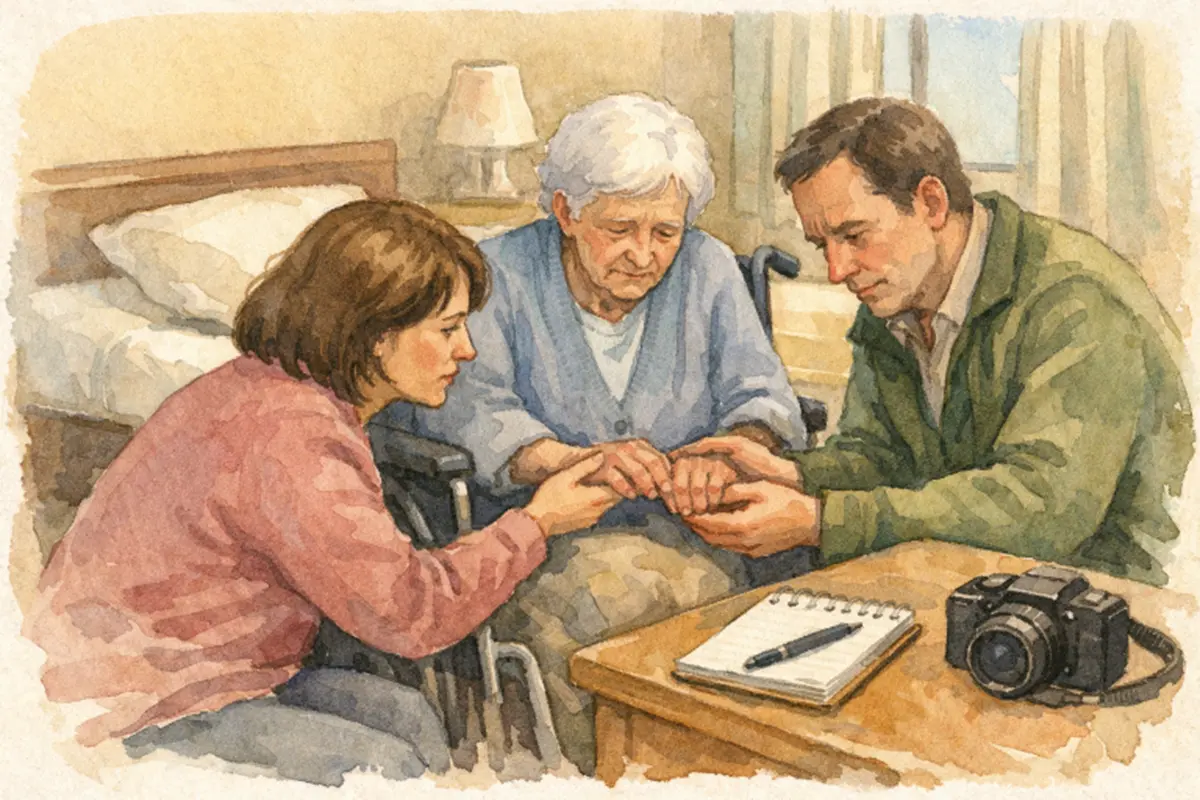
Photos and videos are powerful tools to demonstrate neglect. Visual documentation should capture injuries such as bedsores or bruises, as well as living conditions like unsanitary facilities or soiled linens. To make this evidence irrefutable, photographs and videos should be time-stamped whenever possible and stored in a secure location. Consistent documentation over days or weeks can also show whether a problem is persistent or worsening.
Obtaining Witness Statements
Witness statements from other residents, family members, or staff provide essential context to the evidence collected. These testimonies can clarify timelines, establish patterns of neglect, and corroborate physical proof. Request written, signed, and dated accounts whenever someone observes neglect or maltreatment. Encourage witnesses to describe not only what they saw but also any previous incidents or changes in staff behavior that may have contributed.
Reviewing Facility Records and Inspection Reports
Facility and inspection records can provide insight into larger problems at the nursing home. Documents to request include staffing schedules, training files, and state or federal inspection reports. Citations for previous violations, evidence of understaffing, or non-compliance with patient care protocols can demonstrate that unsafe conditions are a recurring issue. Public inspection reports are an especially valuable resource and are often available through state health departments or agencies like the Centers for Medicare & Medicaid Services. Regularly reviewing these reports helps you identify any history of infractions that support your case. More information on how to access these records can be found on CMS.gov.
Consulting with Legal Professionals
Navigating a claim of nursing home neglect can be complicated and emotionally draining. Working with lawyers who specialize in elder law or nursing home abuse is highly recommended. They can advise on your rights under Georgia law, help you file complaints with regulatory agencies, and guide you through court procedures if legal action is required. An experienced attorney will also ensure all evidence is collected and presented correctly, greatly strengthening your claim.
Frequently Asked Questions
What should I do if I suspect nursing home neglect in Atlanta?
If you observe any signs of neglect, act quickly. Start by documenting all concerning incidents and request medical records immediately. Then consult with a legal advocate to determine the next steps.
How can I access my loved one’s medical records?
Family members with legal authority, such as a power of attorney or health proxy, can request records from the nursing home’s administration. Facilities are required by law to provide these records in a reasonable time frame.
Are there agencies in Georgia to report nursing home neglect?
Yes. The Georgia Department of Community Health oversees nursing home regulations. You can file a complaint if you believe care standards are being violated.
Can I take legal action against a nursing home for neglect?
Legal remedies are available if you have substantial evidence of neglect. Pursuing a lawsuit can help secure compensation for damages and drive improvements in patient care standards.
How do inspection reports support a neglect case?
Inspection reports can highlight repeated violations, show persistent staffing issues, and document failures in care protocols. This official history strengthens claims of ongoing neglect within a facility.
Actively collecting and safeguarding evidence is the best way to hold negligent nursing homes accountable and ensure the health and dignity of Atlanta’s elderly residents.
Also Read
- Tech Console DefStartup: Empowering Gaming Innovation
- Why Technology is Important in Business?
- Why Technology is Important in Business?

