


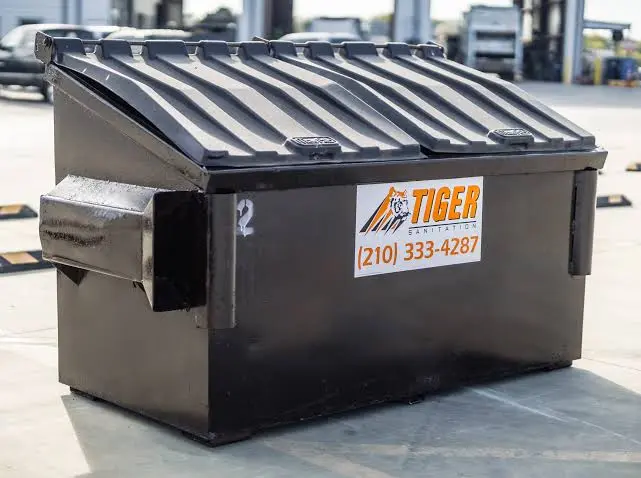
Neighborhood projects are a fact of life. A kitchen remodel, a roof replacement, a yard overhaul, a basement cleanout, even a small community cleanup day can generate more debris than most people expect. The challenge is not just getting the work done. It is doing it without turning the block into a construction zone.
That is where roll-off dumpster rentals can be a surprisingly “neighbor-friendly” solution. When they are planned and used well, they keep debris contained, reduce trips and traffic, and help you avoid the two things that spark most complaints: mess that spreads and noise that drags on.
This guide is for homeowners, DIYers, and contractors working in residential areas who want the project to run smoothly, look organized, and stay on good terms with the people next door.
Why neighborhood projects trigger complaints in the first place
Most neighbor frustration is predictable. It usually comes from one (or more) of these issues:
1) The mess escapes the jobsite
Loose insulation, roofing scraps, broken drywall, and packaging have a way of migrating. Wind, kids, pets, and simple foot traffic can spread debris from a driveway into the street, or from a curb pile into a neighbor’s lawn.
2) The project looks unmanaged
Even if the work is legitimate, a messy site signals “this is going to be a long ordeal.” A driveway full of piles, overflowing bags, and random scrap wood makes neighbors assume the project will last forever.
3) Noise feels constant, not occasional
A few loud hours is one thing. A week of stop-and-start noise with extra hauling trips is another. Repeated loading, dumping, and trailer shuffling can be more disruptive than the actual work.
4) Parking and access become a daily problem
Blocked sidewalks, tight street access, and delivery trucks that have to do complicated backing maneuvers all increase the chance someone calls the township, an HOA, or the property manager.
The good news is that most of this is preventable. A roll-off container helps, but only if you treat it as part of the plan, not just a big box you fill up.
How a roll-off container can actually reduce noise and disruption
People assume a dumpster is automatically disruptive. In reality, it often reduces disruption compared to the alternatives.
Fewer hauling trips means less neighborhood traffic
Without a container on-site, homeowners and crews make repeated trips to the dump, transfer station, or landfill. That means more trucks and trailers coming and going, more backing sounds, more door slams, and more tire noise. One container can replace a long string of runs.
Debris stays contained
A single designated drop zone reduces the odds that debris ends up in the street, the neighbor’s yard, or scattered near the curb. It also helps prevent those “temporary piles” that become a neighborhood eyesore.
Cleaner staging makes the project look professional
A tidy site earns patience. When neighbors see that debris is being managed, they are more likely to assume the project has a plan and an end date.
Step 1: Choose the right placement to minimize complaints
Where you put the container matters as much as having it.
Driveway placement is usually the least controversial
If you have room, placing the container on your driveway tends to reduce issues with traffic flow, street parking, and permits. It also makes it easier for you to keep the area neat because it is “inside” your property.
Tips for driveway placement:
- Leave room for cars if you still need to use the driveway.
- Keep clear access for mail delivery, trash day, and emergency vehicles.
- If possible, avoid placing it directly under low branches or power lines that complicate drop-off and pickup.
Street placement can work, but it requires extra planning
Sometimes the street is the only option. In that case, the “complaint triggers” are usually about blocking parking spaces, narrowing the roadway, and making it harder for neighbors to maneuver.
If you need street placement, consider:
- Permit requirements. These vary by municipality. Do not assume your neighbor’s town rules match yours.
- Visibility at night. Reflective markings are standard, but good lighting near the area helps.
- Avoiding corners, intersections, and fire hydrants.
- Leaving sidewalk access open and safe.
Lawn placement is possible, but it is high risk
Placing a heavy container on grass can damage landscaping and leave deep ruts, especially after rain. If you do it, you will want proper surface protection and a clear plan for pickup timing.
Step 2: Set “quiet hours” and stick to them
A roll-off container does not eliminate noise, but it can help you control when noise happens.
Establish loading hours
If you are in a neighborhood with kids, early commuters, or shift workers, the best approach is to keep the loudest loading to reasonable hours. Dropping heavy materials into a steel container is loud. There is no way around it. What you can control is when it happens.
Simple neighborhood-friendly loading guidelines:
- Avoid early morning loading, especially weekends.
- Avoid late-night “just one more bag” drops.
- Consolidate the loud work into a shorter window rather than stretching it across the day.
Reduce clang with smarter loading techniques
You can noticeably reduce noise with a few habits:
- Walk items in when possible instead of tossing them.
- Break down long pieces so they lay flatter.
- Put bulky, lighter items in first so heavy items have a “cushion.”
- For demolition debris, place larger pieces carefully rather than launching them.
These are small adjustments, but they add up, especially in dense neighborhoods.
Step 3: Keep the area around the container clean every day
Mess around the container is what neighbors see. It is also what ends up in storm drains and on other people’s property.
Do a daily 5-minute perimeter check
At the end of each workday, do a quick walk around:
- Pick up loose scraps and packaging.
- Sweep the driveway edge and curb line.
- Check for nails, staples, and sharp pieces.
- Consolidate any staging piles.
This is one of the easiest ways to prevent complaints, and it improves safety.
Use tarps and containment for dusty debris
Drywall dust, insulation, and small fragments create the “cloud effect” that makes a project feel messy even when it is not.
Ways to control it:
- Bag fine debris rather than dumping it loose.
- Cover the container when you are not actively loading if wind is an issue.
- Avoid overfilling, which makes debris more likely to blow out.
Avoid overflow at all costs
Overflow is not just unsightly. It is the fastest way to get a call to code enforcement or an HOA.
A good rule is: if it is stacked above the rim, it is too full. Even if you think you can “make it fit,” it can become unsafe to transport.
Step 4: Communicate before the project starts (it is underrated)
Most neighborhood conflict happens when people feel surprised or ignored.
A simple heads-up goes a long way
You do not need a big announcement. A brief, polite message can change the tone completely:
- What is being done (remodel, roof, cleanout, landscaping).
- Rough timeline (start and end dates).
- Where the container will be placed.
- A quick note that you will keep the area clean and minimize disruption.
For contractors, this can also be handled by the homeowner, but crews that care about neighborhood relations often offer to help with messaging.
Plan around neighborhood patterns
If you know your street has a school drop-off rush, trash pickup day, or regular delivery activity, schedule drop-off and pickup times that do not create a choke point.
Step 5: Think about safety and access as part of “being a good neighbor”
Safety concerns often show up as complaints. People may not say “I’m worried about kids climbing in that container,” but they will call if they feel something is risky.
Neighborhood safety checklist:
- Keep the area around the container well-lit at night.
- Keep doors closed when not loading if the container has swinging doors.
- Do not let debris spill into the street or sidewalk.
- Make sure delivery and pickup can happen without complicated backing maneuvers.
If you are working near sidewalks, keep them clear. A blocked sidewalk forces people into the street, and that is both dangerous and a common reason municipalities get involved.
What not to put in a container (and why it affects neighbors)
Improper materials can cause pickup delays, extra sorting on-site, or even mess around the container if items leak.
While rules vary by area and facility, it is wise to keep an eye out for materials that are commonly restricted or require special handling. This is often referred to as regulated waste. If you are unsure, ask before you toss it.
Examples that often require special handling include:
- Paints, solvents, and chemicals
- Batteries
- Certain electronics
- Appliances that may contain regulated material (for example, refrigerants in refrigerators)
Avoiding these issues helps keep the project running on time. Delays are disruptive, especially when a container sits longer than planned.
A practical “neighbor-friendly dumpster plan” you can copy
If you want a simple approach that works for most residential streets, use this:
- Schedule drop-off for a mid-morning window when the street is calmer.
- Place the container where it blocks as little as possible and keeps sidewalks clear.
- Load heavy debris during agreed-upon daytime hours and avoid early or late noise.
- Do a daily cleanup sweep around the container and along the curb line.
- Stop loading before the rim is reached and schedule pickup or swap-out before overflow becomes a risk.
- Cover or contain lightweight debris if wind or weather is a factor.
- Give neighbors a brief heads-up so the project feels managed, not chaotic.
Final thoughts: The goal is a project that looks under control
In most neighborhoods, people are not against improvement projects. They are against disorder that lingers. A roll-off container is one of the simplest ways to make a project look organized, keep debris contained, and reduce the steady stream of hauling trips that create noise and traffic.
If you plan placement carefully, load with a little consideration, and keep the perimeter clean, you can finish the work with far fewer complaints and a lot more goodwill. That is a win for homeowners, contractors, and everyone who shares the street.
Also Read

