


Key Takeaways
- Forensic interviews play a critical role in child molestation cases and can heavily influence the direction of the prosecution.
- Understanding the process, purpose, and potential pitfalls of forensic interviews is essential for those facing allegations.
- Defense strategies often focus on procedural flaws, interviewer bias, and evidence standards to challenge forensic interview findings.
Introduction
Allegations of child molestation are among the most serious and complex charges someone can face. These cases often hinge on statements made by children during forensic interviews, which are designed to elicit factual details in a neutral environment. However, the emotional intensity of such cases can sometimes overshadow a precise analysis of the evidence or the investigation process. Working with an experienced child molestation defense attorney is essential to protect your rights and scrutinize every aspect of a child’s forensic interview.
Forensic interviews are intended to minimize trauma while maximizing the reliability of a child’s account. Despite these goals, mistakes or missteps in the forensic interview can irreversibly influence both perceptions and outcomes. Understanding how these interviews work and how they can be challenged is vital for a robust defense.
It is crucial to remember that forensic interviews are not infallible. How questions are asked, the setting, and the interviewer’s background all play into the perceived credibility and accuracy of the child’s statement. Awareness of these factors and the legal strategies available can make a critical difference for someone accused of child molestation.
Media coverage and public emotion can exert overwhelming pressure in child sex abuse cases. Still, due process requires a careful, objective review of every phase of the investigation, especially forensic interviews. Courts must weigh both a child’s welfare and fair trial rights equally to achieve justice.
What Are Forensic Interviews?
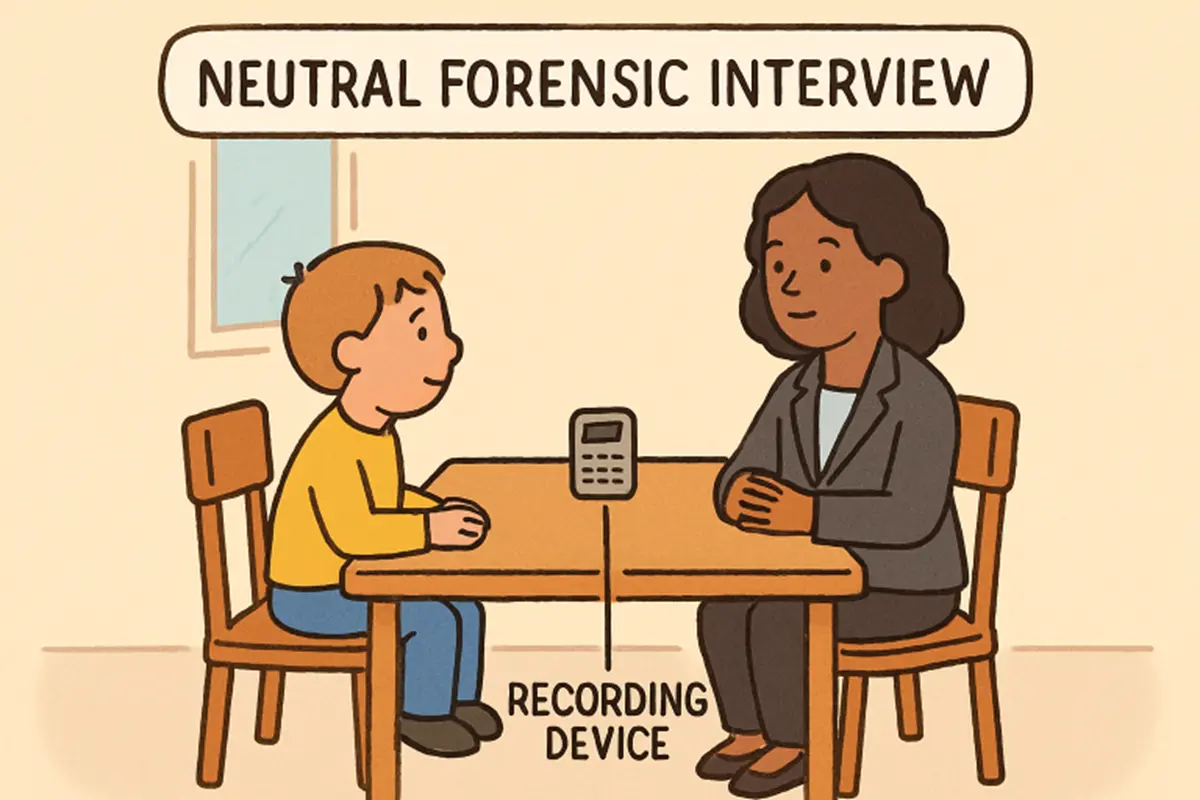
Forensic interviews are structured conversations conducted by trained professionals, typically at child advocacy centers. The purpose is to obtain an account of events from a child who may have experienced or witnessed abuse. These interviews are usually recorded, and law enforcement, child protective services, and attorneys often review them for evidence. The American Professional Society on the Abuse of Children has developed widely recognized guidelines for these interviews, but practices can vary from jurisdiction to jurisdiction.
The process aims to be developmentally sensitive and legally sound. Interviewers must avoid leading questions or suggestive language that might contaminate the child’s memory or induce false accounts. Forensic interviewers aim to build rapport, use open-ended questions, and create a safe environment for the child to speak.
Common Pitfalls and Challenges in Forensic Interviews
Despite the best intentions, forensic interviews can be flawed. Sometimes, an interviewer with insufficient training or unconscious bias may inadvertently prompt a child to provide answers they think are expected. In other cases, repetitive questioning can lead to memory contamination, making it challenging to discern original recollections from those influenced by the interview environment.
Another frequent issue is misinterpreting a child’s statements. Children may use ambiguous language, or their recollections might lack detail. If the interviewer makes assumptions or fails to clarify, this can introduce significant problems down the line when the statements are used as evidence. The risk of false allegations is not negligible, particularly in high-conflict family settings, such as contentious divorces or custody disputes. For instance, a New York court dismissed a sexual abuse lawsuit due to insufficient specific details about the alleged abusers, highlighting the challenges in such cases.
Legal Strategies: How to Challenge Forensic Interviews
Those accused of child molestation have the right to challenge the validity and reliability of forensic interview evidence. Effective defense strategies often include reviewing the interview record for instances of leading questions, interviewer coaching, or evidence of bias. Expert witnesses, including psychologists specializing in child memory and forensic interviewing, can be key in highlighting these flaws for the court.
It is also common for the defense to file motions to exclude interview evidence on grounds of improper procedure or reliability concerns. Cross-examining the interviewer at trial about their training and interview protocols can reveal significant procedural shortcomings. Proper preparation and the involvement of skilled criminal defense counsel are essential at every stage.
For further details about the standards of evidence in sex crimes cases, refer to materials from the Times Union examining investigative and legal challenges in prosecuting child abuse.
The Role of Experts in Assessing Forensic Interviews
Defense attorneys often collaborate with qualified experts to scrutinize forensic interviews. These specialists evaluate whether the interview adhered to best practices, if any suggestive techniques were used, and if the child’s account exhibits signs of coaching or external influence. Their testimony can be instrumental in undermining the prosecution’s case if flaws are identified.
Courts may give significant weight to an expert’s findings, especially when there is evidence that the interviewer failed to maintain neutrality or failed to follow established protocols. The defense must clearly illustrate how such departures undermine the reliability of the child’s account and, by extension, the state’s case.
The Importance of Early Legal Intervention
If you or someone you know is facing allegations related to child molestation, obtaining legal representation early in the process is vital. Prompt action enables the defense to secure expert reviews, preserve relevant materials, and address potential procedural issues with forensic interviews before trial. An attorney can also advise on communications, supervise interactions with investigators, and ensure your rights are protected during the critical initial stages of the case.
Conclusion
Forensic interviews are potent tools in investigating child molestation allegations, but they are not beyond reproach. Knowing how these interviews work, where they can go wrong, and what legal strategies are available helps level the playing field for those accused. Working with a skilled defense attorney remains your strongest asset for ensuring that both the facts and your rights receive the careful consideration they deserve.
Also Read
- Tech Console DefStartup: Empowering Gaming Innovation
- Why Technology is Important in Business?
- How to Become Raja Luck in Real Life

