


Key Takeaways
- Select flooring materials that offer both moisture resistance and durability for use in below-grade applications.
- Choose the flooring type that complements the intended activities and visual aesthetic of your basement.
- Prioritize correct installation techniques and ongoing maintenance to ensure long-lasting performance.
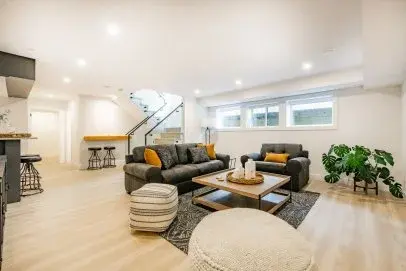
Transforming a basement from a cold, utilitarian storage spot into a livable, appealing area starts at ground level—quite literally. Selecting flooring that withstands moisture, resists daily wear, and remains visually appealing is crucial for lasting success. Exploring options like epoxy floor coating basement can set your foundation for years of comfort and functionality.
Today’s homes benefit greatly from innovative flooring materials engineered specifically for basement environments. Whether your goal is to craft a gym, playroom, entertainment cave, or cozy family space, the right floor supports long-term use, easy cleaning, and enduring style. Moisture resistance, in particular, is vital, as basements are prone to dampness from both the ground below and the environment above.
Before diving into different materials, it’s essential to remember that proper installation—and routine maintenance—are just as important as the flooring itself. Carefully selecting and caring for your new surface will keep your basement attractive and healthy for years to come.
Luxury Vinyl Plank (LVP)
Luxury Vinyl Plank, or LVP, channels the natural beauty of wood while outperforming it in water-rich or humid spaces. Designed with multilayer construction, LVP resists warping, scratches, and stains—standing up to family gatherings, pets, and games. Installation is simple with its click-lock system, creating a floating floor that easily covers existing concrete. For homeowners exploring durable options, basement floor coatings can complement LVP by providing additional moisture protection and long-lasting performance. Added insulation and a cushioned feel underfoot make LVP one of the most inviting and functional modern choices, and its popularity continues to rise due to innovative design and authentic hardwood emulation.
Polished Concrete
Polished concrete defies the old, drab basement stereotypes by delivering a sleek, upscale look with nearly unmatched durability. The polishing process produces a smooth, reflective shine and can incorporate dyes or contrasting aggregates for decorative flair. Its seamless, non-porous surface naturally resists mold and stains, making it ideal for busy households or modern minimalist homes. Maintenance is minimal, requiring only periodic cleaning, while the surface’s strength withstands heavy traffic and furniture.
Ceramic and Porcelain Tile
Few surfaces match the timeless strength of ceramic and porcelain tile. Their non-porous, waterproof nature provides superb defense against leaks or spills, while a wide variety of styles—from wood-look planks to large-format stone tiles—offer extensive design flexibility. Porcelain, in particular, boasts superior strength and resilience. With careful attention to waterproofing the subfloor and grout, tile becomes one of the most reliable, long-lasting solutions for any basement renovation.
Epoxy Flooring Systems
Epoxy flooring offers a unique combination of strength and style, providing a seamless, resilient surface that effortlessly resists water, chemicals, and everyday messes. Whether you desire a high-gloss, showroom-like finish or a creative surface with metallic accents and color chips, epoxy can be customized to suit any décor. Its ability to seal concrete and prevent moisture intrusion ensures less risk of mold and mildew, making epoxy an ideal choice for both utility and living spaces in the basement.
Engineered Hardwood
Homeowners seeking the classic look of real wood should consider engineered hardwood, which is built for below-grade stability. Unlike solid wood, its layered construction resists warping from basement humidity and temperature swings. Today’s engineered planks feature top-layer veneers of oak, maple, or walnut for their natural beauty, complemented by robust inner cores for added resilience. This flooring adds warmth and elegance, turning a basement into a true extension of the home’s living areas.
Rubber Flooring
Rubber flooring makes sense for active families. It’s a favorite for home gyms, playrooms, or multipurpose rec spaces. Not only is it comfortable to walk or exercise on, but it also absorbs sound and cushions any tumbles or falls. Available in sheets, rolls, and bright interlocking tiles, it brings color, texture, and practicality to your space. Rubber is naturally moisture-resistant and easy to sanitize, making it a smart and safe choice for busy basements.
Carpet Tiles
Modular carpet tiles provide a warm, inviting feel underfoot, making the basement feel less like a cellar and more like a den. These tiles allow for creativity with colors and patterns, and they’re practical—if damage occurs from a spill or an accident, just replace a single tile rather than the entire room. Many versions feature water-repellent backings, providing extra protection in damp environments. Carpet tiles also insulate, helping the basement stay quiet and comfortable all year.
Conclusion
Choosing the right basement flooring can significantly enhance comfort, functionality, and property value. Focus on moisture resistance, durability, and design compatibility as you narrow your choices. With the right approach—and attention to professional installation—your basement will become a durable and attractive retreat that the whole family can enjoy for years.
Also Read-Why Technology is Important in Business?

