


Key Takeaways:
- Understanding the components of pain and suffering is crucial for personal injury claims in New Jersey.
- Recent legislative changes have expanded the scope of recoverable damages.
- Accurate documentation and legal guidance are essential for successful claims.
Understanding Pain and Suffering
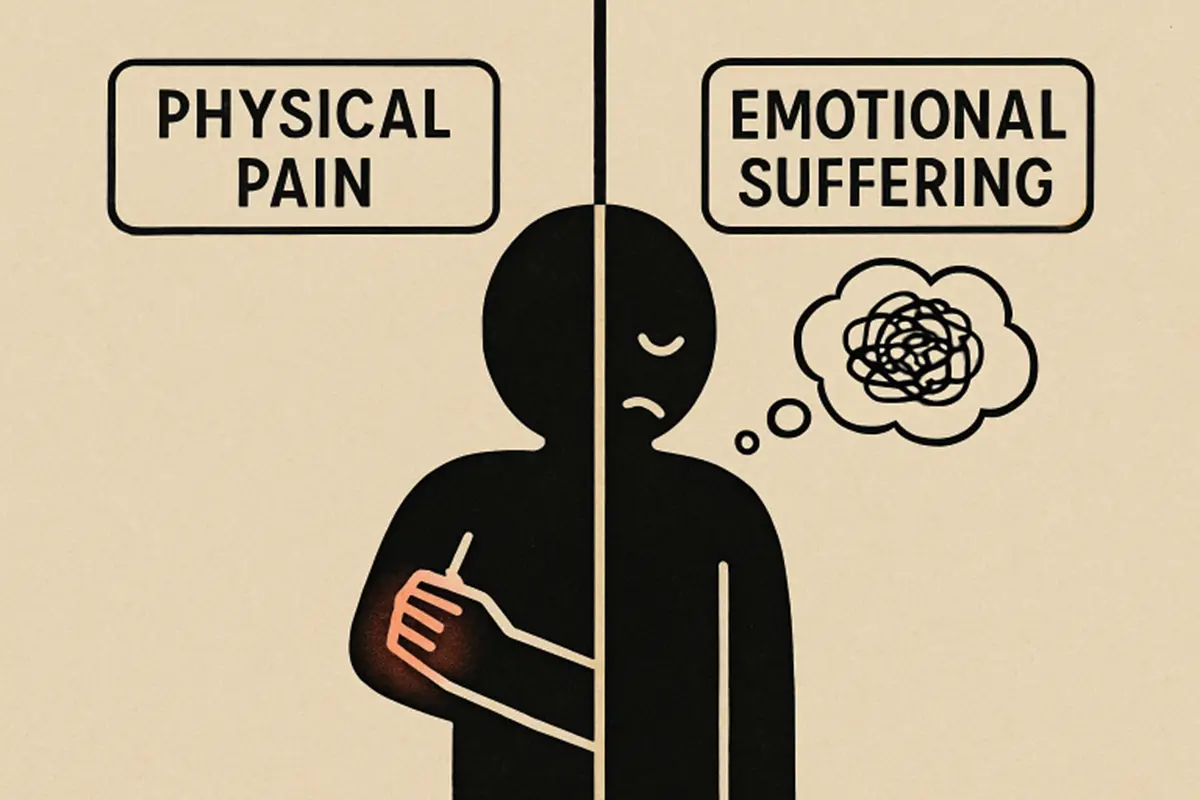
The concept of “pain and suffering” plays a significant role in New Jersey personal injury cases. Pain and suffering refer to both the physical discomfort and emotional anguish a person endures as a direct result of an accident or injury. These damages are often more difficult to quantify than economic losses, such as medical bills or lost wages. For injured individuals, recognizing the value of their pain and suffering can make a substantial difference in the outcome of their case. For more insight into the legal avenues available to injury victims, visit this website for detailed resources and professional support.
Pain and suffering include not just the immediate physical pain caused by an injury, but also the psychological consequences, such as stress, anxiety, depression, or even the loss of enjoyment of life. Often, these emotional challenges persist long after the physical injuries have healed. Acknowledging this wide range of experience is vital when pursuing compensation, as New Jersey law allows claimants to recover damages for such personal suffering, often invisible.
Legal Framework in New Jersey
New Jersey personal injury law allows individuals to pursue compensation for pain and suffering caused by physical or emotional harm. The law recognizes that the impact of an accident goes beyond just financial losses. However, eligibility to recover these damages depends on the type of injury, the responsible party, and the specifics of the incident. The state’s legal system relies on a combination of statutory law and case law to determine which damages are payable, aiming to reflect evolving understandings of injury impacts. When claiming these non-economic damages, it’s important to remember that each case is different. Courts will evaluate the validity of pain and suffering claims by considering not only how severe the injury is but also its overall effect on the victim’s daily life.
Exceptions for Public Entities
Traditionally, seeking compensation for pain and suffering from public entities in New Jersey was limited. Government immunity laws placed restrictions on such claims, particularly when the defendant was a governmental agency or employee. Recent legislative updates, however, have reduced these barriers. For example, Assembly Bill No. 4684 made it possible to recover pain and suffering damages for certain cases of sexual assault and abuse involving public entities or employees.
This amendment acknowledges the profound long-term effects of these traumatic experiences on victims. New Jersey’s legal system now reflects a more compassionate approach, expanding the grounds for compensation and recognizing that emotional damage can be just as impactful as physical harm.
Calculating Pain and Suffering Damages
Unlike more straightforward financial losses, pain and suffering damages are inherently subjective and often depend on expert testimony and persuasive evidence. New Jersey courts may consider several factors, including the injury’s severity, recovery period, long-term effects on work or hobbies, as well as the daily struggles the victim faces. Insurance companies and courts may use either the multiplier method, which multiplies actual damages by a factor based on injury severity, or the per diem method, which assigns a daily rate to the pain experienced over a specified time frame.
These methods are intended to produce a fair calculation and to reflect the reality of the victim’s suffering. Expert witnesses, such as doctors and psychologists, play a crucial role by providing testimony to explain how the injuries continue to affect the claimant’s quality of life.
Impact of Recent Legislative Changes
Legislative changes have deeply influenced pain-and-suffering claims in New Jersey, particularly with respect to exceptions for claims against government agencies. These changes are designed to protect victims’ rights and ensure the law keeps pace with emerging understandings of trauma, including psychological injuries. The expansion of recoverable damages demonstrates the state’s commitment to providing justice for those adversely affected by others, whether those responsible are private individuals or public employees.
Both legal professionals and claimants must stay alert and understand how recent laws could impact their cases.
Importance of Documentation
Supporting a claim for pain and suffering requires detailed and accurate documentation. Medical records serve as the foundation, but psychological evaluations and personal journals describing how the injury impacts daily routines provide invaluable insights. These records provide adjusters, judges, and juries with tangible proof of the ongoing challenges faced by the victim. They also help ensure that the compensation awarded is commensurate with the level of suffering endured.
Thorough documentation can also prevent insurance companies from trying to reduce or deny a victim’s claim. The importance of keeping accurate records goes beyond medical visits; it includes tracking the effects on relationships, work, and overall health.
Seeking Legal Assistance
Given the complex and evolving nature of pain and suffering claims, consulting with an attorney specializing in personal injury law can significantly improve the chances of a successful outcome. Legal professionals understand how to navigate documentation requirements, advocate for fair compensation, and stay up to date on the latest legislative changes that may affect a case. Their guidance is especially important when facing well-resourced insurance companies or public entities.
Experienced attorneys can also interpret recent legal amendments and provide guidance on how to best document and present a claim, maximizing compensation within the law’s scope.
Conclusion
Understanding the scope of pain and suffering under New Jersey law is fundamental for anyone involved in a personal injury case. The evolving legal framework, particularly recent legislative changes, points toward an increased recognition of the varied ways injuries impact victims’ lives. Proper documentation and skilled legal support are key to achieving a fair resolution and ensuring justice is fully served.
Also Read-Speedy Home Sale: Practical Strategies for Sellers

