


Key Takeaways
- Emergency Medical Responders (EMRs) must cultivate both technical and interpersonal skills to deliver optimal care.
- Regular training, emotional resilience, and teamwork are as important as medical proficiency.
- Continual education keeps EMRs up to date on best practices and new technologies.
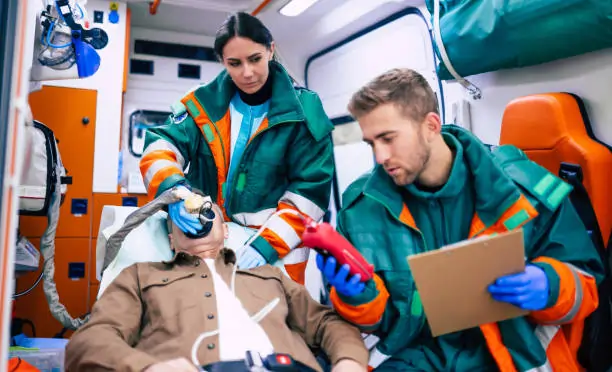
Emergency Medical Responders (EMRs) play a critical role in providing immediate care during medical emergencies. Their ability to quickly assess situations, stabilize patients, and assist in transport can make a significant difference in outcomes. To perform effectively, EMRs must develop a broad range of skills, encompassing basic life support, patient assessment, and the management of trauma, cardiac events, and respiratory emergencies. Mastery of these skills not only ensures the safety and well-being of patients but also allows responders to act confidently under high-pressure circumstances.
For individuals seeking to enter this field or enhance their qualifications, pursuing structured training such as EMT certification Texas online can provide a solid foundation. Programs like this cover essential knowledge and practical skills while familiarizing learners with standard protocols and emergency procedures. By honing these competencies, aspiring EMRs can be better prepared to respond efficiently, make informed decisions, and provide critical support in diverse emergency situations.
Comprehensive Medical Knowledge
An extensive background in medical care forms the cornerstone of an EMR’s capabilities. Every responder must be expertly trained in Cardiopulmonary Resuscitation (CPR), Basic Life Support (BLS), and trauma management techniques. These skills enable EMRs to take immediate action during medical emergencies such as cardiac arrest, severe bleeding, and respiratory distress. Advanced courses, regular refreshers, and updated certifications are critical to ensure that all actions align with current standards and best practices.
Effective Communication Skills
EMRs routinely interact with patients in distress, concerned bystanders, and a variety of medical and emergency professionals. Effective communication involves providing clear instructions, listening actively, and ensuring the accurate exchange of information under pressure. Clear, thorough patient documentation improves continuity of care, while precise information relayed to higher-level providers can be lifesaving. Communication is a linchpin for collaboration, safety, and optimal patient outcomes.
Physical Fitness and Stamina
The unpredictable, physically demanding nature of emergency medical response requires a high level of strength, endurance, and agility. EMRs often perform tasks such as carrying patients, lifting heavy equipment, and working in adverse environmental conditions. Engaging in a consistent fitness regimen helps prevent injuries, enables efficient patient handling, and prepares responders to perform effectively during prolonged or intense incidents.
Situational Awareness and Decision-Making
Rapid, accurate decision-making is essential in emergencies where time and information are limited. Situational awareness enables EMRs to assess environments for safety risks, anticipate patient needs, and select the most effective intervention path. Training scenarios, after-action reviews, and experience-based learning sharpen these abilities, ensuring that EMRs can adapt and act decisively, even under pressure.
Emotional Resilience and Stress Management
Emergency medical responders face traumatic incidents, including accidents, violence, and sudden medical crises. Building emotional resilience helps maintain professional performance, manage stress, and mitigate the risk of burnout. Practices such as mindfulness, peer-to-peer support, and regular debriefings contribute to strong mental health. Access to professional counseling and wellness resources, such as those recommended by the Mayo Clinic’s stress management strategies, can further support long-term well-being.
Proficiency with Emergency Equipment
EMRs must display confidence and competence in deploying essential medical equipment such as Automated External Defibrillators (AEDs), oxygen delivery systems, and stretchers. Regular hands-on practice, maintenance checks, and familiarity with both standard and new technologies ensure that equipment failures do not hinder critical interventions. Deep knowledge of the tools of the trade makes each responder an asset during chaotic and complex scenarios.
Teamwork and Collaboration
Emergency response is most effective when all professionals work in harmony. EMRs are often the first on scene, requiring them to coordinate with paramedics, firefighters, and law enforcement. Strong teamwork is fostered through trust, adaptability, mutual respect, and the ability to both lead and follow as situations dictate. Team training, communication drills, and joint exercises reinforce collaboration and collective problem-solving during emergencies.
Commitment to Continuous Learning
The emergency medical field is constantly evolving, with new protocols, treatments, and equipment being introduced regularly. EMRs need to prioritize ongoing education, including attending workshops, seminars, and simulation-based training in addition to the mandatory certification renewals. Keeping skills and knowledge sharp allows responders to confidently manage evolving challenges and deliver the highest standard of patient care.
Conclusion
Mastering the skills of an Emergency Medical Responder involves technical expertise, physical readiness, and emotional resilience. Key competencies include medical knowledge, proficiency with equipment, effective communication, and teamwork. Ongoing education and practice ensure EMRs are updated with the latest protocols and technologies. By developing these skills, responders improve patient outcomes while boosting their own confidence and career sustainability in this fast-paced field.
Read more: How Virtual Tours Are Revolutionizing Real Estate – Trend Oxygen
Quick Cash Sale: Creative Home Selling Techniques – Trend Oxygen
First Aid Tips for Treating Pet Lacerations at Home – Trend Oxygen

