


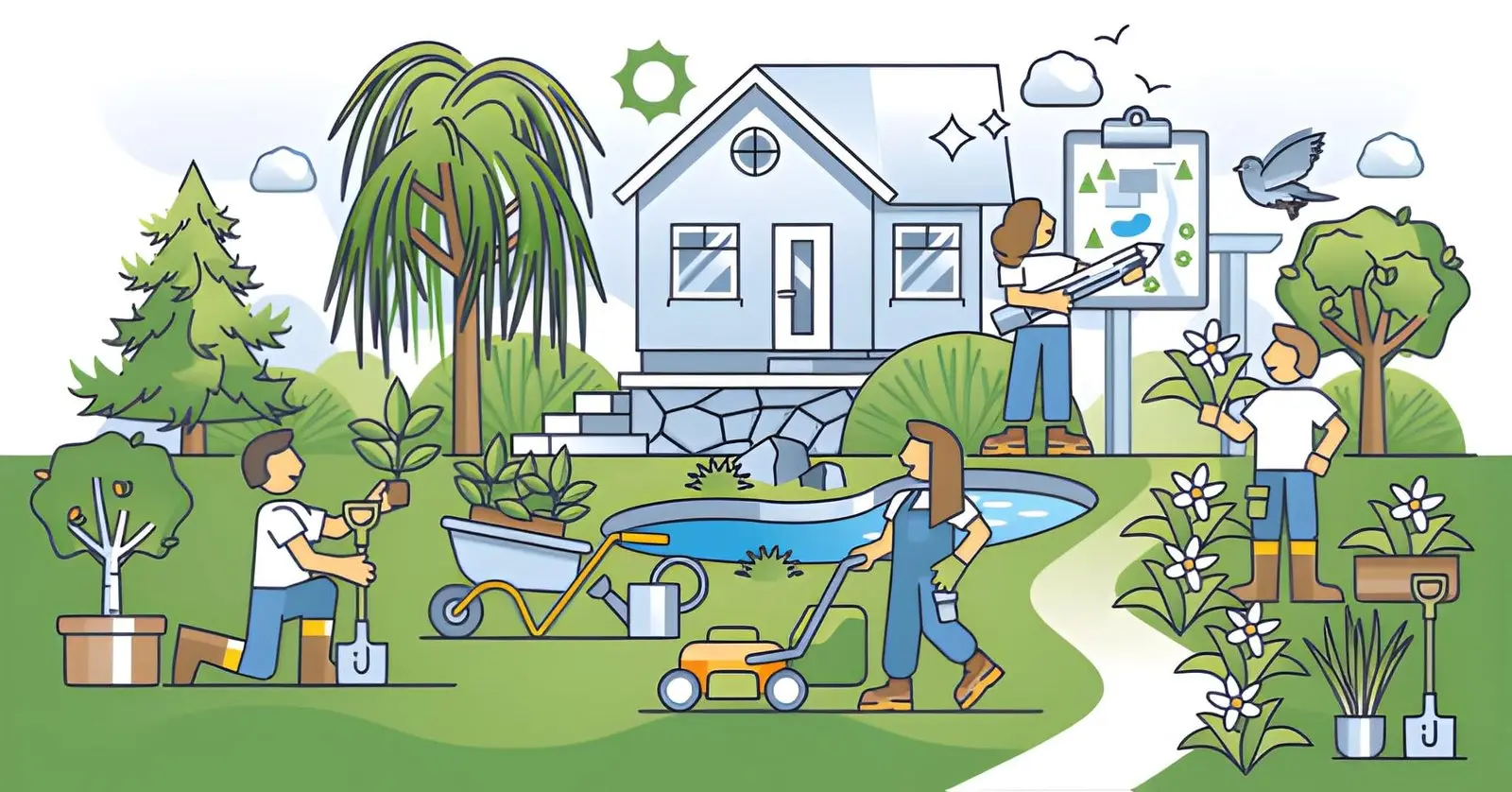
Designing a backyard that stays functional in every season is no longer just about adding a patio or planting a few trees. Modern families want outdoor spaces that feel comfortable in summer, usable in winter, safe at night, and flexible enough for gatherings, relaxation, and everyday living. A well-planned backyard becomes an extension of the home, not just an occasional-use space.
One of the most overlooked but essential parts of this design process is lighting. Families who think ahead about lighting zones, pathways, and seasonal adaptability end up with backyards that are not only beautiful but also practical throughout the year. For example, many homeowners exploring outdoor upgrades also look into services like Acworth holiday lighting services for houses to help them plan structured, safe, and visually appealing lighting layouts that can evolve with the seasons.
Below is a complete guide to designing a backyard that works all year long, with a strong focus on usability, lighting strategy, and family comfort.
1. Start With How the Space Will Be Used
Before choosing furniture or lights, the most important step is to define how your family will actually use the backyard. A year-round outdoor space should support multiple functions:
– Family dinners and barbecues
– Kids’ play areas
– Quiet relaxation zones
– Social gatherings with friends
– Seasonal celebrations and decorations
When you map out usage first, everything else—including lighting placement and seating—becomes more intentional. A backyard designed around real behavior is always more successful than one built purely for aesthetics.
Think in zones rather than one large open area. This allows better organization and makes lighting design much easier later.
2. Create Clear Lighting Zones for Function and Mood
Lighting is the backbone of a usable backyard after sunset. A well-lit yard is not just safer; it is also more inviting and usable during cooler months when evenings arrive earlier.
A strong lighting plan usually includes three main zones:
Task lighting
This is bright, focused lighting for specific activities such as grilling, cooking outdoors, or reading on a patio. It should be functional and shadow-free.
Ambient lighting
Soft, warm lighting that defines the overall mood of the space. String lights, wall sconces, and garden lanterns often fall into this category.
Accent lighting
Used to highlight trees, architectural features, or garden elements. This adds depth and visual interest, especially at night.
When these three layers work together, the backyard feels balanced and naturally usable at all hours.
3. Design Seating Areas for Comfort in Every Season
Seating is one of the most important elements in year-round outdoor living. Families should avoid placing all seating in a single location. Instead, create multiple seating zones with different purposes.
For example:
– A shaded summer seating area for hot days
– A fire pit zone for colder months
– A casual lounge space near the garden
– A dining area close to the kitchen or grill
Comfort is key. In warmer months, shade structures or pergolas help reduce heat. In colder seasons, fire features and wind protection make outdoor time more enjoyable.
Lighting should be adjusted according to these zones. Soft overhead lighting works well for dining areas, while warmer, lower lighting is better for relaxation spaces.
4. Pathways That Guide Movement and Improve Safety
Pathways are not just design features—they are essential for safety and flow. A backyard that works year-round must be easy to navigate in both daylight and darkness.
Well-designed pathways:
– Connect all key zones smoothly
– Prevent walking on grass or muddy areas
– Reduce the risk of trips and falls at night
Low-level lighting along pathways is especially important. It improves visibility without overpowering the rest of the backyard lighting design. Solar lights, recessed ground lighting, or LED strip edging can all work effectively.
The goal is simple: people should always know where they are walking, even in low light conditions.
5. Visibility at Night: The Safety Factor Most People Ignore
Nighttime visibility is often overlooked until it becomes a problem. Poor lighting can make even a beautiful backyard feel unsafe or unusable after dark.
Good visibility depends on:
– Balanced lighting intensity (no overly dark corners)
– Elimination of harsh glare
– Strategic placement of lights at height differences
– Consistent lighting across pathways and entry points
Motion-sensor lights near entrances and darker zones can improve both safety and energy efficiency. Families should walk through their backyard at night to identify blind spots and adjust lighting accordingly.
A well-lit backyard is not just about beauty—it is about confidence in using the space anytime.
6. How Lighting Changes with the Seasons
A true year-round backyard must adapt to changing daylight hours and weather conditions.
Summer
Days are longer, so lighting is mainly needed after 8–9 PM. Soft ambient lighting works best, creating a relaxed outdoor atmosphere.
Autumn
As evenings arrive earlier, lighting becomes more important. Warmer tones help maintain comfort as temperatures drop.
Winter
This is when lighting matters most. With shorter days, outdoor spaces rely heavily on artificial lighting for usability and mood.
Spring
Lighting transitions back to lighter use, but accent lighting helps highlight fresh greenery and new growth.
Planning for seasonal changes ensures that your backyard never feels underused or too harshly lit.
7. Permanent Lighting vs Seasonal Enhancements
Many families now choose to install permanent outdoor lighting systems instead of setting up temporary lights every year. Permanent lighting can include:
– Built-in LED strips
– Architectural wall lighting
– In-ground pathway lights
– Smart lighting systems with adjustable colors
These systems are energy-efficient and can be adjusted based on mood or season.
However, seasonal lighting still plays a role. For example, families often enhance their permanent setup during holidays with decorative elements and themed lighting displays. Planning ahead for seasonal additions like Christmas lighting ensures that the backyard remains festive without disrupting the overall design.
This hybrid approach—permanent structure plus seasonal enhancement—offers the most flexibility.
8. Integrating Holiday and Seasonal Lighting Early in the Design
One of the smartest design strategies is planning holiday lighting from the beginning rather than treating it as an afterthought.
When families plan early, they can:
– Install safe anchor points for decorations
– Avoid messy or visible wiring
– Ensure electrical capacity supports additional lights
– Maintain a clean, organized look year-round
This is where professional planning becomes useful, especially for larger properties. Services that specialize in structured outdoor lighting can help homeowners design systems that support both everyday use and seasonal decoration without clutter or safety risks.
9. Balancing Beauty, Function, and Efficiency
A successful year-round backyard is not just about appearance. It must balance three things:
– Functionality for daily use
– Aesthetic appeal during gatherings
– Energy efficiency for long-term sustainability
LED lighting, solar-powered fixtures, and smart timers help reduce energy consumption while maintaining strong visual impact.
At the same time, thoughtful design ensures that every light has a purpose. Nothing should feel random or excessive.
Conclusion
Designing a backyard that works year-round requires careful planning, especially when it comes to lighting, seating, and movement flow. Families who invest time in creating structured lighting zones, clear pathways, and adaptable seating areas end up with outdoor spaces that feel natural and usable in every season.
Lighting plays the central role in this transformation. From warm summer evenings to festive winter nights, the right lighting strategy turns a backyard into a true extension of the home. By combining permanent fixtures with seasonal enhancements and planning ahead for decorative setups like holiday lighting, families can enjoy their outdoor spaces comfortably all year long.
Also Read
- Tech Console DefStartup: Empowering Gaming Innovation
- Why Thai Businesses Should Understand More About Non-Destructive Testing?
- Cultivating Inner Stillness: The Path to Presence in Daily Life

