


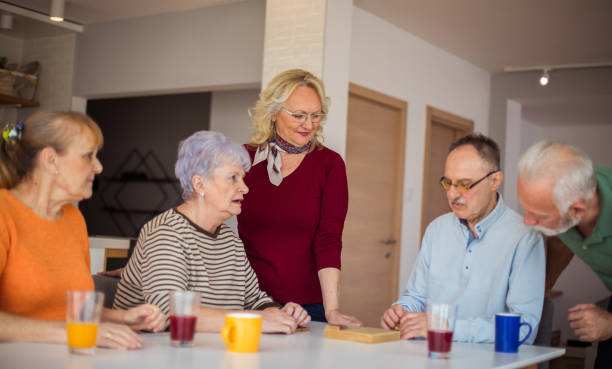
Choosing an assisted living community for a parent or loved one is a decision that deserves time, research, and open conversation. With so many communities to consider, it can be hard to know where to start or what questions actually matter. Breaking the process into manageable steps helps families feel more confident, and it keeps the focus on what matters most: finding a place where a loved one can feel comfortable, supported, and genuinely at ease.
Start With a Clear Picture of Needs
Before comparing communities, it helps to sit down and think through what your loved one actually needs day to day. This might include help with dressing, medication reminders, meal preparation, or getting around safely. It’s just as important to consider personal preferences, like whether they’d rather have a private apartment or enjoy shared spaces, and what kind of daily routine feels right for them. Involving your loved one in this step, rather than making decisions on their behalf, helps ensure the community you choose actually fits their life, not just their care needs.
Research Communities and Ask Around
Once you have a sense of what to look for, take time to research communities in the area. Online reviews can offer some insight, but personal recommendations from friends, neighbors, or a loved one’s doctor often carry more weight. It’s worth looking into how long each community has been operating, what residents and families say about daily life there, and whether the community specializes in any particular type of support, such as Memory Care. Narrowing down a shortlist of two or three communities makes the next steps far more manageable.
Schedule Visits and Ask Direct Questions
There’s no substitute for seeing a community in person. Scheduling a personal visit gives you the chance to observe how team members interact with residents, how clean and well-maintained the space feels, and whether residents appear engaged and comfortable. Families researching Assisted Living in San Ramon, CA often find it helpful to visit more than one community before making a decision, since each one has its own atmosphere and approach. During the visit, ask about staff-to-resident ratios, how care plans are created and updated, and what a typical day looks like for residents. Bringing a list of questions in advance helps make sure nothing important gets overlooked in the moment.
Look Closely at Programs and Support
Beyond the basics of care, it’s worth understanding what daily life actually looks like for residents. Ask about the programs and events offered, how residents are encouraged to participate, and whether there are opportunities for residents to pursue hobbies or interests they already enjoy. Pay attention to how team members talk about residents, since this often reflects the overall culture of a community. A good fit should feel like a place where your loved one can build relationships and have choices in how they spend their time, not just a place where tasks get completed.
Understand Costs and Contract Details
Cost is naturally a major factor, and it’s worth asking for a full breakdown before committing. Monthly fees typically cover housing, meals, and a set level of support, but additional services may be billed separately. Ask what happens if your loved one’s needs increase over time, whether pricing adjusts, and what the contract says about move-in and move-out terms. Understanding these details upfront helps avoid confusion later and gives your family a realistic sense of what to expect financially, both now and down the road.
Trust What Feels Right
After the research, visits, and questions, much of the decision comes down to how a community feels. Pay attention to your own impressions during visits, but also ask your loved one how they felt and what stood out to them. The right community should feel like a place that supports independence and choice, not one that limits it. Taking the time to choose thoughtfully gives your family confidence that your loved one will be settling into a community where they can feel genuinely comfortable and welcome.

