


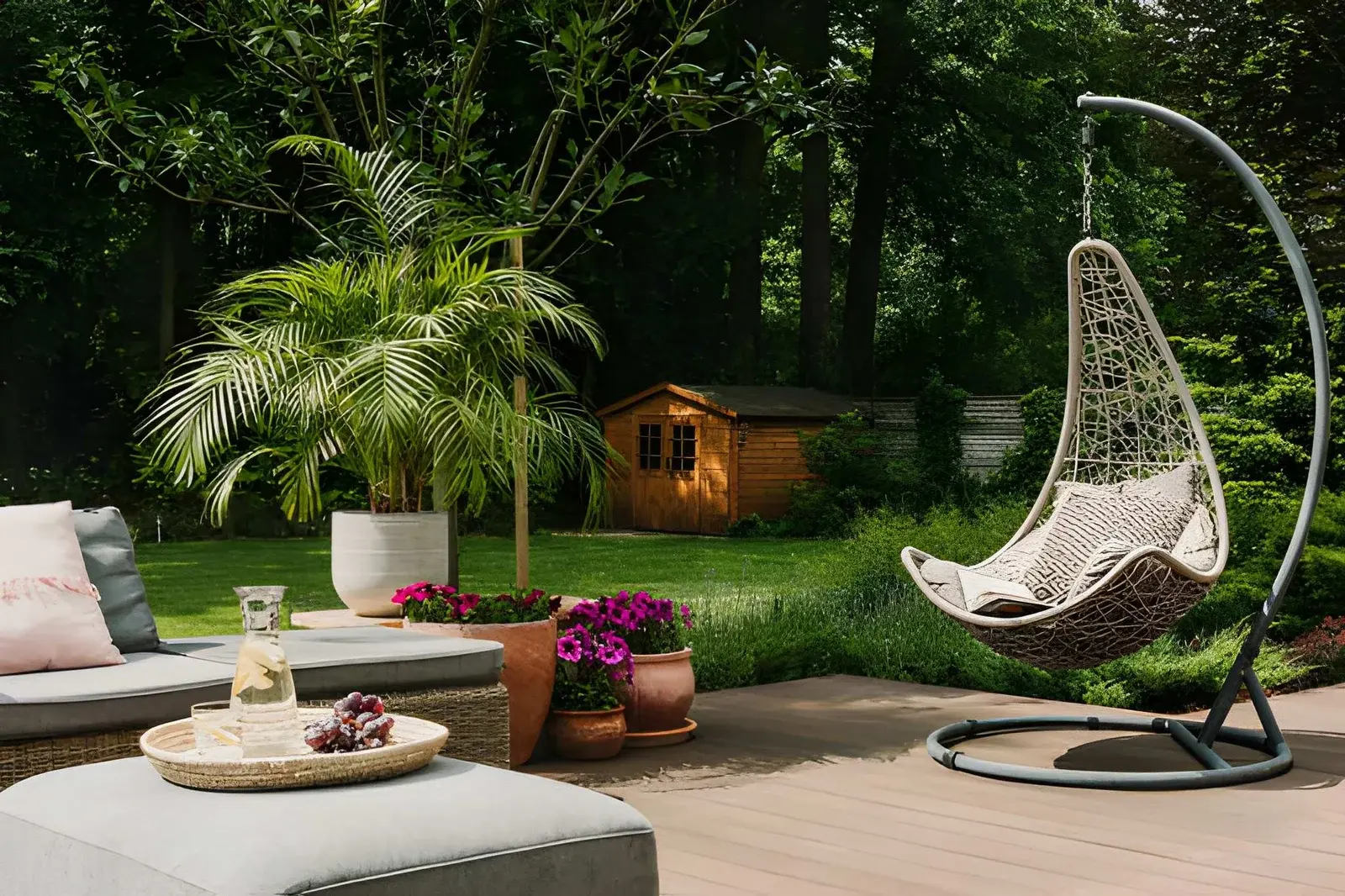
For many homes, the backyard is the most underused space. It might hold a few chairs and a barbecue, then sit quiet for most of the year. With some planning, though, it can become a place you actually want to be: somewhere to unwind after work, share a slow weekend morning, or spend an evening under the stars. The good news is that creating a retreat doesn’t require a massive overhaul. It requires a clear idea of how you want the space to feel and a handful of well-chosen elements. For many households, the centrepiece is a soaking tub, and browsing hot tubs for sale Canada retailers offer is a good way to see what might fit your space and routine.
Decide What the Space Is For
Start with a simple question: how do you want to use your backyard? Entertaining friends, quiet solitude, family play, gardening, and cooking outdoors all call for different layouts. A retreat usually leans toward calm and comfort, so think about the experiences that help you slow down: reading in a shaded corner, soaking in warm water, or sitting by a fire.
Write down a few words that describe the feeling you want, such as “peaceful,” “private,” or “cozy.” These become a guide for every choice that follows.
Divide the Yard Into Zones
A relaxing yard is organized. Think in zones: a place to sit and talk, a place to eat, a place to soak or lounge, and perhaps a garden area. Zones give the eye a sense of order and make the space feel larger and more intentional.
Use paths, changes in material, planters, or low screens to define them. Keep traffic routes clear so people can move through without bumping into furniture.
Create Privacy
It’s hard to relax when you feel watched. Privacy can come from fencing, trellises, hedges, tall planters, or pergola screens. Consider where neighbouring windows and sightlines are, and block the most intrusive views first.
Natural screening, like evergreen shrubs or tall grasses, adds softness and helps with wind and noise, which matters in colder months. Check local rules about fence height and placement before you build.
Choose a Focal Point
Retreats feel more special when there’s a clear centrepiece. It might be a fire pit, a water feature, a pergola-covered lounge, or a hot tub. A focal point gives the space a purpose and a natural gathering spot.
If you’re considering a hot tub, think about size, seating, placement, and how many people will use it. Consider your household’s habits, your available space, and how you’d like to enter and exit the area comfortably.
Plan the Practical Details
A hot tub or similar feature needs careful planning. It requires a level, stable base, adequate access for delivery, and a suitable power supply, and requirements vary by model. Confirm specifications with the retailer or manufacturer, and have a licensed professional check the electrical setup and installation. Local regulations may also apply to safety barriers, covers, and placement, so it’s wise to check with your municipality.
Planning these details before purchase prevents delays and keeps the project safe.
Layer in Lighting
Lighting is one of the simplest ways to create atmosphere. Soft, warm light feels more relaxing than bright floodlights. Use a mix of path lights for safety, string lights or lanterns for ambience, and low accent lighting near seating or water features. Consider dimmable or adjustable options so you can set the mood.
Make sure steps, edges, and walkways are well lit so the space is safe at night.
Add Comfortable Seating and Textures
A retreat should invite you to sit. Choose comfortable seating with cushions, throws, and outdoor rugs to make the space feel like an extension of your living room. Materials such as wood, stone, and natural fibres add warmth. Provide a surface for drinks and books, and a spot to store towels or blankets nearby.
Engage the Senses
Sound, scent, and touch all contribute to relaxation. A small fountain or gentle water feature can mask traffic noise. Fragrant plants, such as lavender or herbs, add scent. Wind chimes or soft outdoor speakers can set a calm tone, as long as they respect your neighbours.
Make It Work All Year
In a Canadian climate, a backyard retreat is more enjoyable when it’s usable beyond summer. Think about windbreaks, covered areas, heaters, and well-lit, clear paths for winter. Features designed for cold weather, such as well-insulated tubs and sturdy covers, help keep the space comfortable and energy use reasonable. Plan for snow clearing and access so you can reach the space easily when temperatures drop.
Keep Maintenance Manageable
A retreat should reduce stress, not add to it. Choose materials and plants that suit your time and skill. Understand the care any water feature requires, such as cleaning, water treatment, and cover maintenance, and build it into a simple routine. A little regular attention is easier than occasional big clean-ups.
Phase the Project
You don’t have to do everything at once. Start with the elements that make the biggest difference, such as privacy, seating, and lighting, and add the larger features later. Phasing spreads out the cost and lets you learn how you use the space before committing to more.
The Bottom Line
A relaxing backyard retreat comes from clear intentions and thoughtful details: defined zones, privacy, a focal point, soft lighting, comfortable seating, and a plan for year-round use. Take care with practical issues like site preparation, power, and local rules, and keep maintenance simple. With a phased approach, you can create a place at home where you’ll look forward to spending time, in every season.
Also Read
- V4Holt: Leading Advances in Innovative Tech
- Home Tech Trends Making Everyday Life Easier
- Choosing the Right Mobility Aid for Everyday Life

