


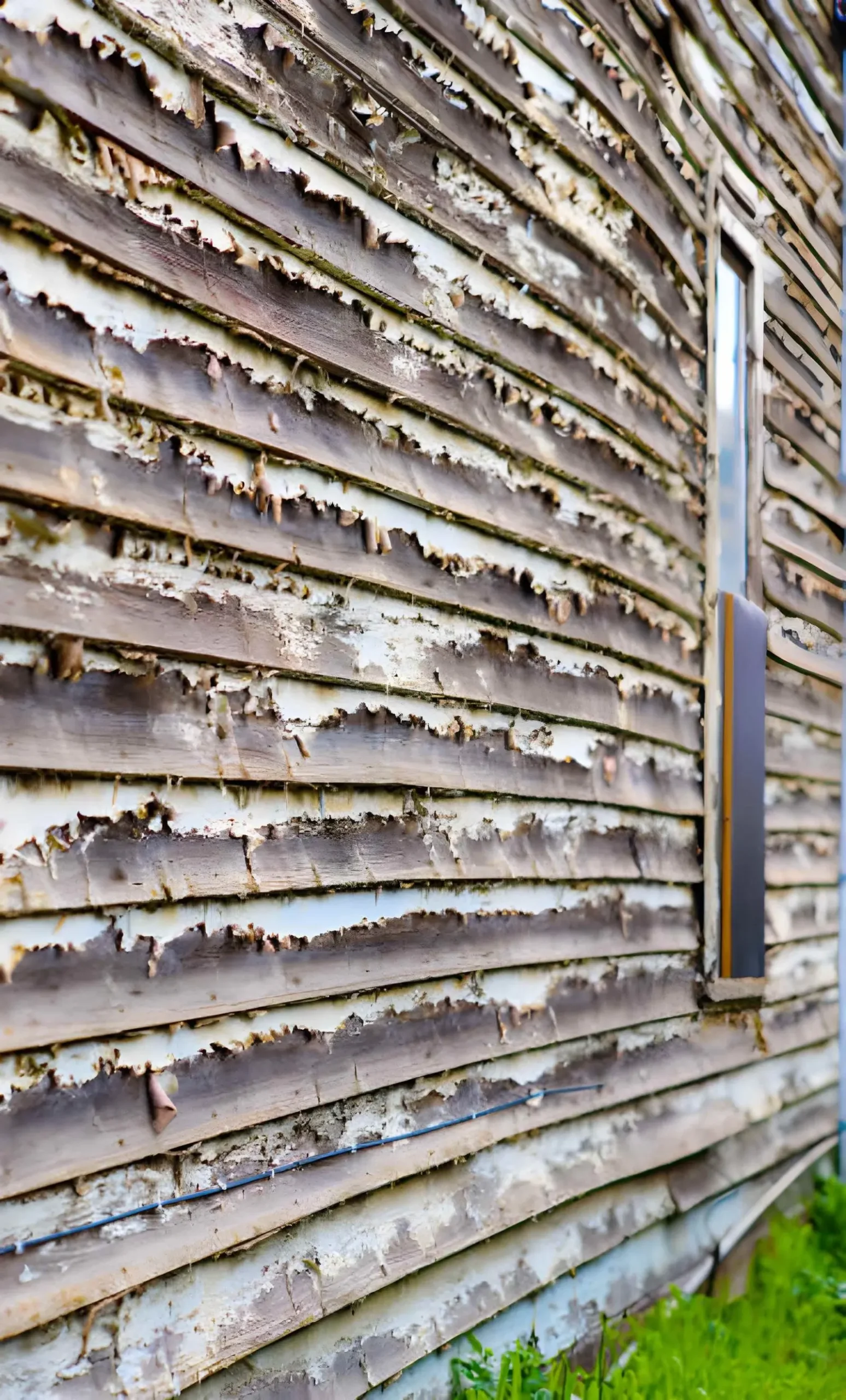
Fresh paint on failing siding is not the frugal choice, whatever the bid says. The gap between what a repaint costs this spring and what it costs over ten years is why the more careful siding companies traverse city mi homeowners call will look at the wall behind the siding before they quote the surface. Replacing tired siding once costs a household on a fixed income less over a decade than repainting a wall that keeps getting wet. That is the argument, and a 1,450 square foot ranch built in 1974 outside Traverse City is where it proves itself.
Paint Hides Moisture It Cannot Stop
A coating job is a finish job. It bonds to whatever chalky surface it is given, covers the cracks for a season or two, and changes nothing about the reason the wall gave up in the first place. Think of it the way a dentist thinks about crowning a tooth without treating the root underneath, where the surface looks finished, the trouble keeps working out of sight, and the second bill lands harder than the first. Paint is a repair only when what sits under it is sound, and on a 1970s wall it usually is not.
Water is patient. Acrylic is not.
Soft Spots Under Windows Point to Sheathing
Press a thumb into the siding under a front window on one of these ranches. If it gives, you are not looking at a paint problem. The case we see most often is window flashing that failed quietly in the eighties, wicking meltwater into the sheathing every March until the panel behind the trim was soft enough to take a screwdriver by hand. Paint over that and you have sealed a damp wall from the outside, which slows drying without doing anything about the wetting. Two winters later the coating blisters exactly where the water is, and the homeowner is told the painter picked the wrong product.
How much of the sheathing is actually bad is the one number nobody can give you honestly before the old siding comes off. Two houses on the same road, same builder, same year, have come apart in front of me to reveal damage that differed by a factor of four. Anyone quoting a rot repair figure to the dollar from the driveway is guessing, and a written allowance handles that uncertainty better than a confident number does.
Vinyl and Composite Solve Different Problems
Vinyl and composite get discussed as though they were two prices for the same product. They are not. Vinyl hangs loose on the wall by design, tolerates the freeze and thaw cycle this part of Michigan runs through every February, and keeps a retirement budget intact, while composite sits closer to fiber cement for stiffness and holds crisp trim lines on a house where the detailing shows. The siding companies traverse city mi homeowners shortlist will usually offer both, and the honest ones ask how long you plan to stay before they steer you toward either.
For a retired couple who intend to stay put, the material question matters less than the wall behind it. A well installed vinyl job over repaired sheathing will outlast a premium composite job hung over soft spots. Spend the money in that order.
Bids That Include Wall Repair Cost Less Later
Two bids that look $3,000 apart often are not. The cheaper one prices siding and nothing else, so the rot found on day two arrives as a change order at whatever rate the crew charges that week. The thorough bid names a unit price for replacing sheathing, say $95 a sheet installed as an illustration, and states how many sheets are covered before anyone has to call you. On a 1,450 square foot ranch with a hard ceiling under $18,000, that second structure is what keeps a project from stopping halfway with the south wall open.
Ask what happens if the crew opens that wall and finds twelve bad sheets instead of three. A contractor who has the answer ready has done this before. One who changes the subject has not priced the risk, and you will meet it later anyway.
Replacing Once Beats Painting Every Third Winter
Deferred exterior work has a way of surfacing in an inspection report, and buyers read those closely. Redfin’s July 2026 review of the problems that turn up most often in home inspection reports put roof issues second nationally, appearing in 19.7 percent of them. Siding sits in that same family of postponed maintenance, the kind a report converts into a price reduction. Fixing the wall once takes the line item off the list rather than painting over it again in three years.
A repaint on a wall that is still getting wet buys two winters, and then the same decision comes back with less money left to meet it. Replacing the siding and repairing what is underneath costs more one time, then stops costing anything for a couple of decades. Open the wall, get the damage priced plainly, and buy the last siding job the house needs.
Also Read-How Pollen Season Affects the Outside of Your Home

